A Project That Highlights What We Do

A Heartfelt Thank You
As 2024 draws to a close, we want to take a moment to thank you—our clients—for your loyal support, trust, and encouragement throughout the year. It’s because of you that we’re able to do what we love: create meaningful, practical solutions that deliver real results.
 
This year, we’ve had the privilege of working on a variety of projects, each with its own challenges and successes. One particular project stands out, not just because of the results we achieved, but because of how it came to us. The client approached us after hearing about what we had done for another business.
 
That word-of-mouth recommendation made all the difference, and we want to take this opportunity to thank the client who shared their story—and every client like them who spreads the word about the successes we create together. Your trust in us and willingness to share it with others is the greatest compliment we can receive.

Client Needs Understood

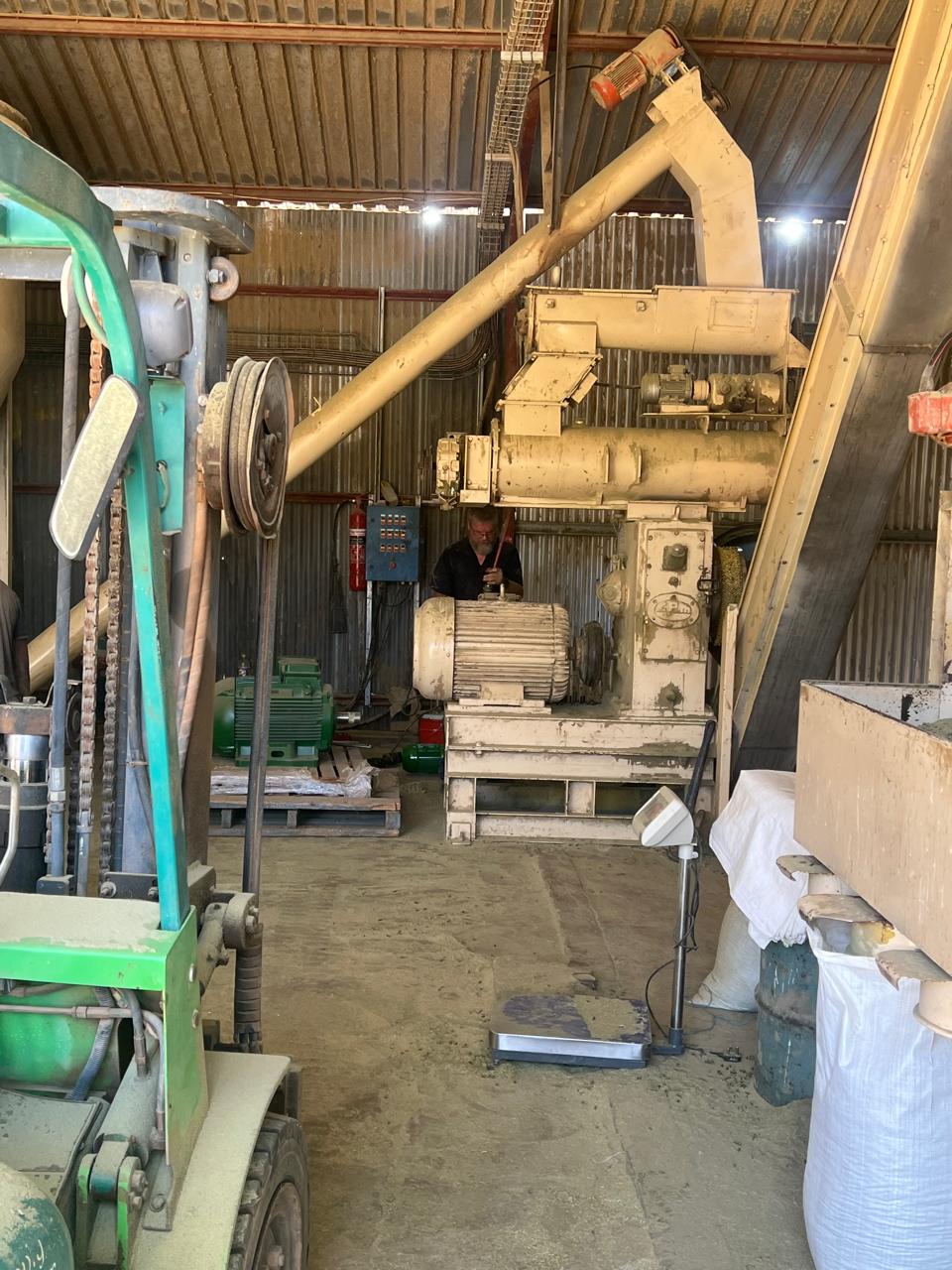
The client in this project came to us with a frustrating production bottleneck. His feed plant was limited by a 100 kVA Eskom supply that couldn’t be upgraded, while the plant required 164 kW of installed power.

This mismatch meant he could only run one section of the plant at a time, forcing the rest of the operation to wait. His pellet mill, the core of his operation, barely managed 800 kg per hour, and even then, only for four hours a day because the rest of the plant couldn’t keep up.
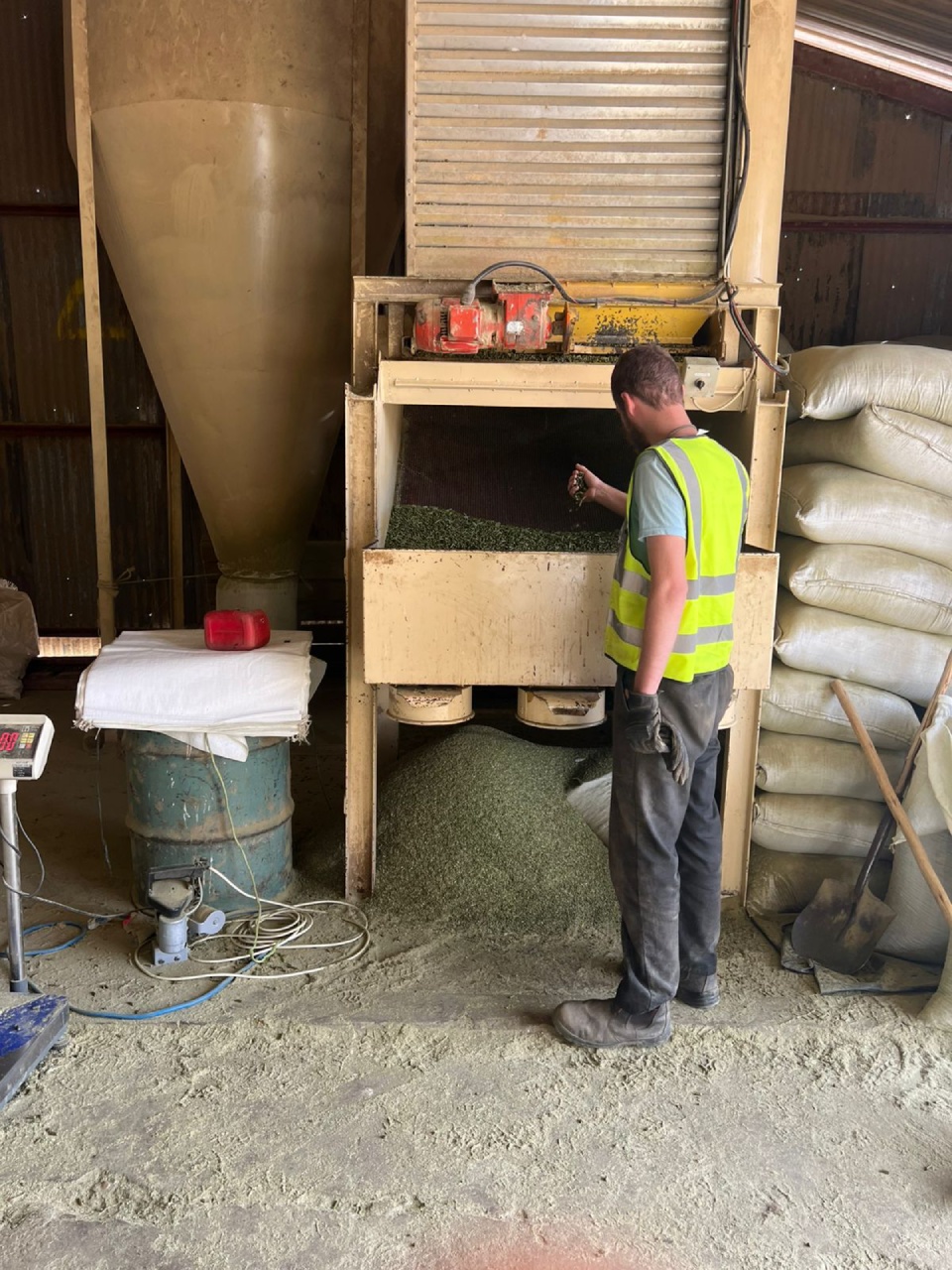
2 Week Site Inspection
Before anything else, we conducted a detailed two-week survey of the plant, logging performance data, observing workflows, and pinpointing the root causes of the inefficiencies:
 
 1. The materials handling system wasn’t feeding the mill evenly, causing it to “hunt” and making consistent performance impossible.
 2. Outdated components like the soft starter and IE1 motors were wreaking havoc on power factors and reducing efficiency.
 3. Operator dependency meant small mistakes caused delays and ripple effects across the plant.
 
Armed with this data, we proposed a phased solution tailored to the client’s needs, ensuring the plant could continue operating without any downtime as we worked around his production schedule.

Breaking the Project into Phases

We divided the project into several phases to systematically tackle each challenge:
 • Phase One: Redesigning the feed system, upgrading motors and drives, and installing a PLC for automation.
 • Phase Two: Implementing machine-learning AI to further optimise the process.
 • Phase Three: Overhauling the grinding section to align it with the upgraded pellet mill.
 • Phase Four: Replacing the remaining IE1 motors across the plant with IE4 models.
 

Zero Downtime Ensured

We broke the project into phases because the client had orders to fill, and it was critical that our work caused zero downtime. Every step was carefully planned to fit around his production schedule. Once complete, the client will be able to run all processes simultaneously, eliminating downtime and boosting output. Increased production and savings from phases one and two will cover the costs of phases three and four, making the entire upgrade self-sustaining.
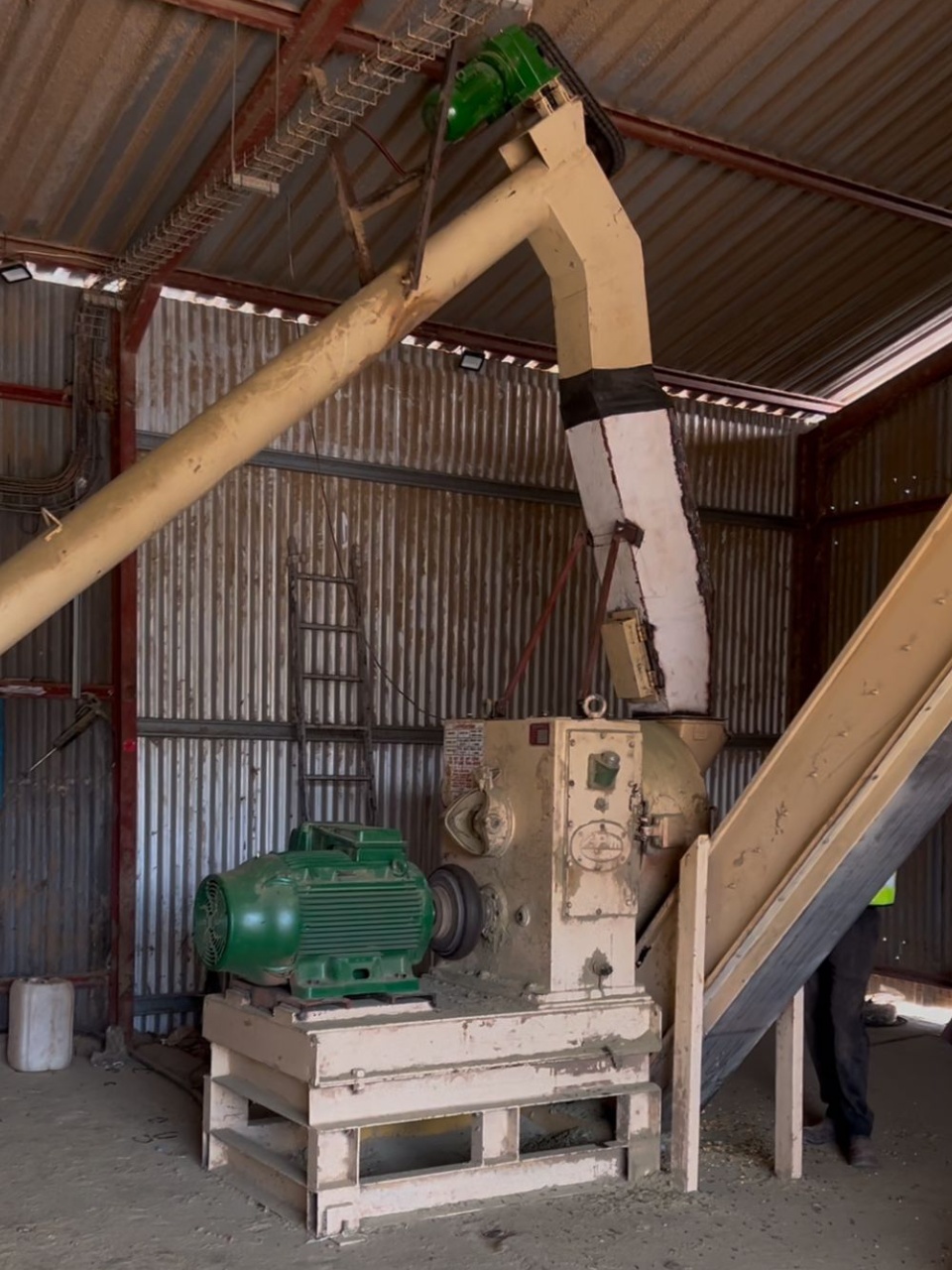
Phase One Results
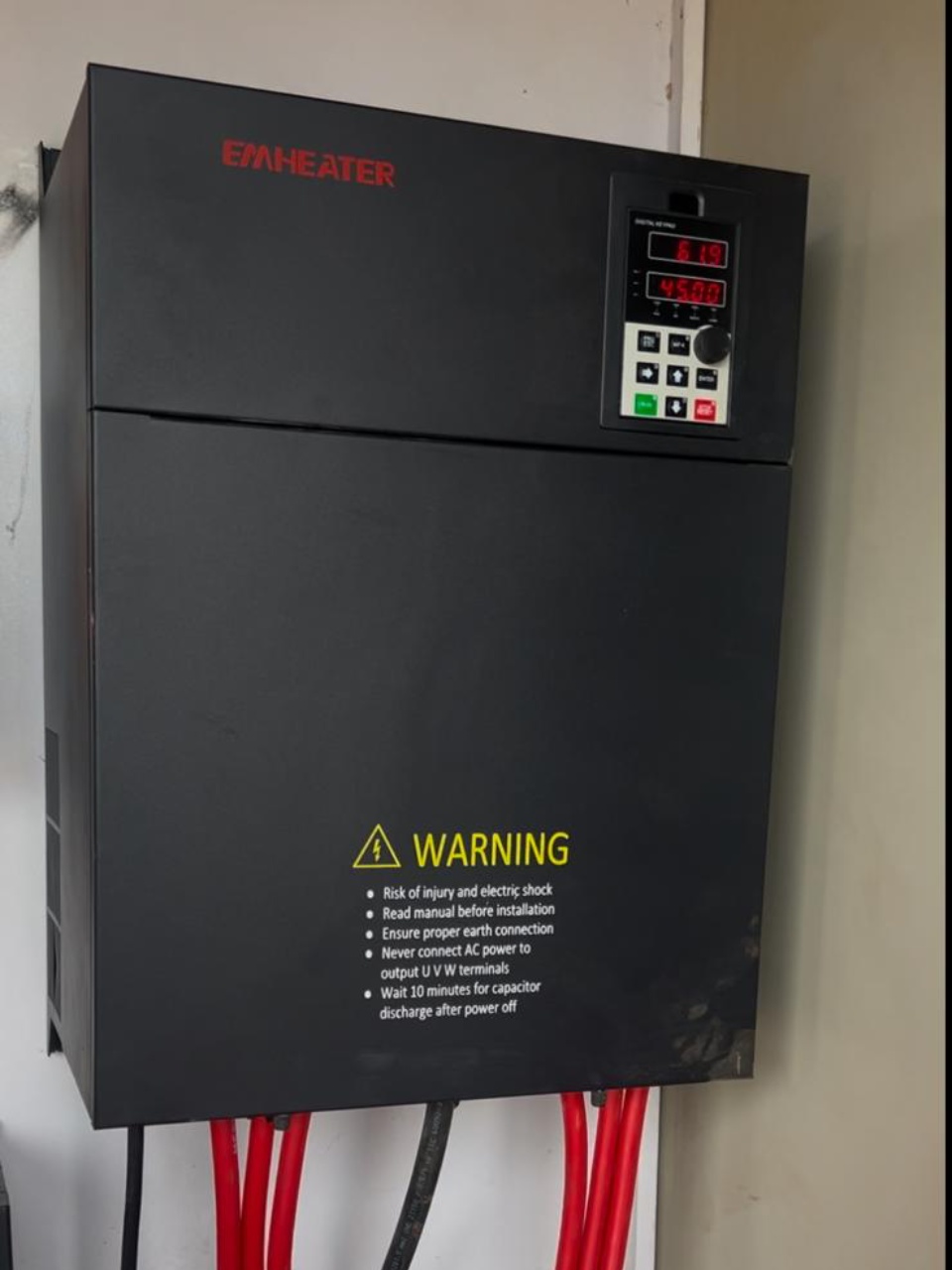
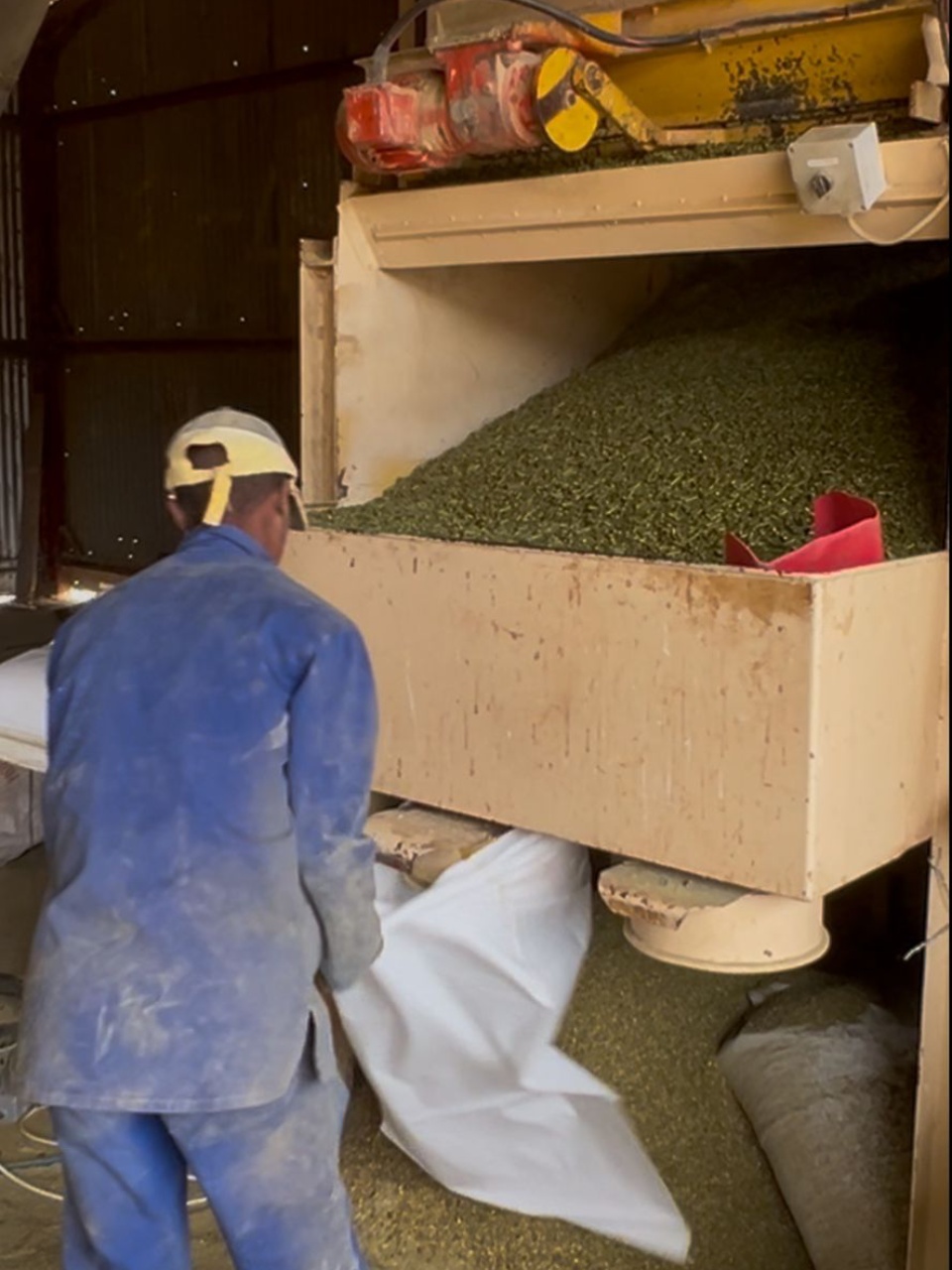
In phase one, we redesigned the materials handling system to feed the mill evenly and consistently, eliminating the hunting problem entirely. Along the way, we removed components that were chewing up energy without adding value.

Key Upgrades Included

 
 • Installing Variable Speed Drives (VSDs) on the feed system and replacing the outdated soft starter with a VSD.
 • Upgrading the IE1 motors in the feed system to highly efficient IE4 models, reducing energy consumption and improving reliability.
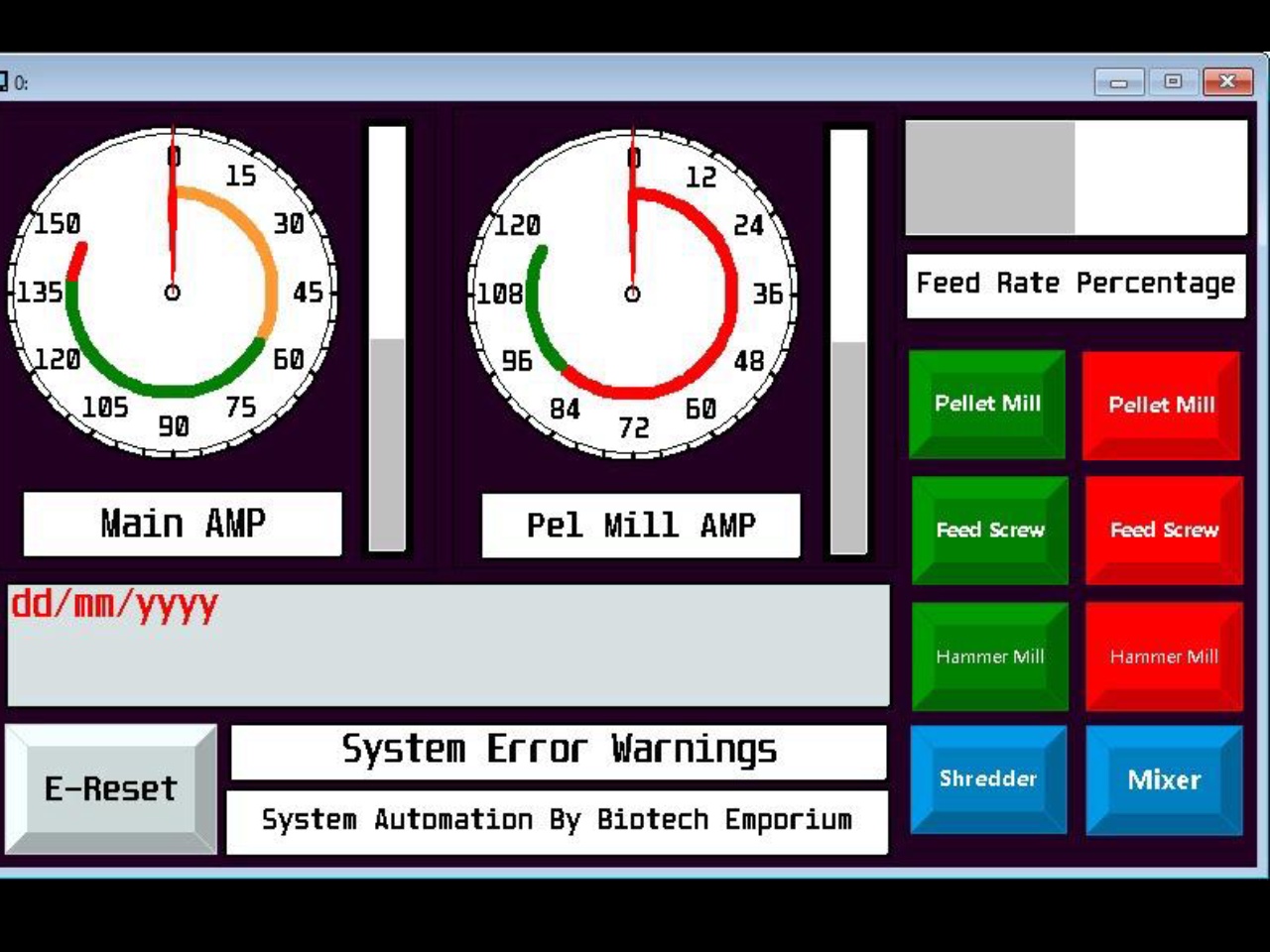
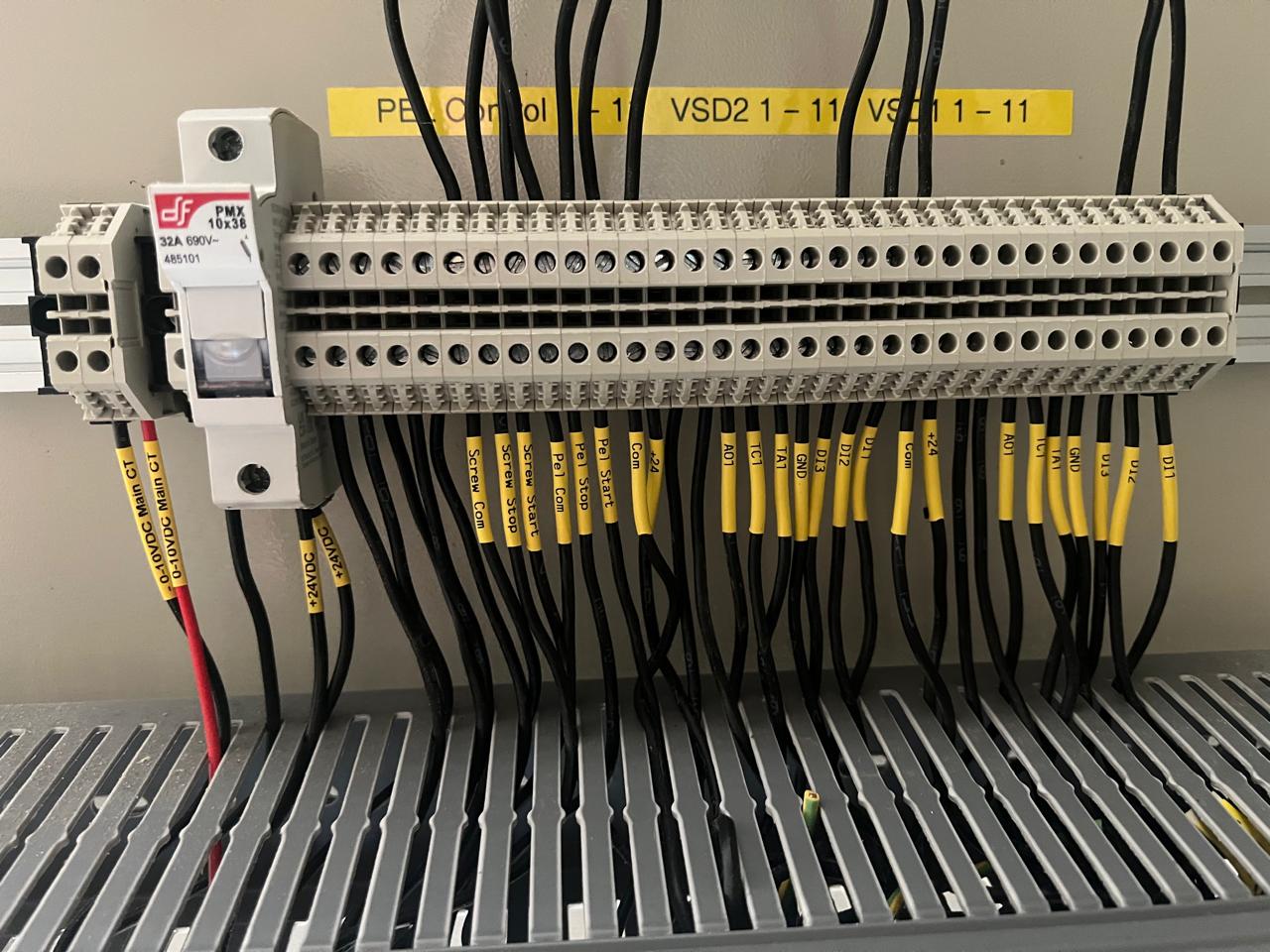
 • Integrating all components into a PLC, which now fine-tunes performance in real time for maximum efficiency.
 

Outstanding Results

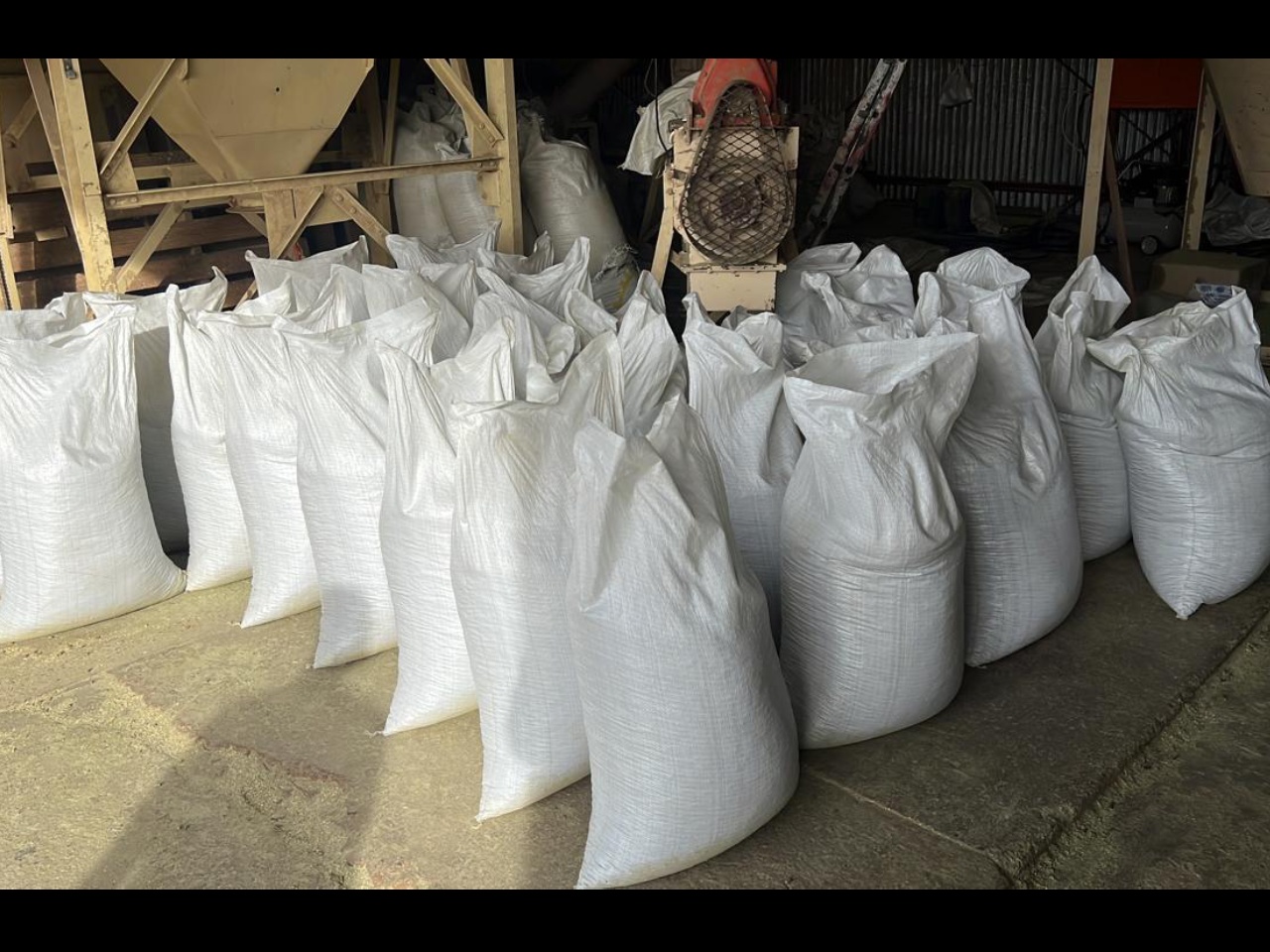
The pellet mill now produces 1’450 kg per hour—a 81.25% increase in output—all while drawing just 110 amps. Active power climbed from 45.726 kW to 74.686 kW, and power factor corrections reduced electricity consumption by 63%. These improvements alone will allow the client to recover his investment in less than six months.
 

Phase Two in 2025

As part of phase two, we’ve already installed machine-learning AI technology, but we will fully implement it in January. The AI will further optimise operations by detecting and correcting operator errors on the fly. For example, if an operator chokes a feed gate manually, the AI will issue a warning. If the error isn’t resolved within five minutes, the system will shut the plant down and notify the owner to intervene.
We expect the AI to deliver an additional 8–10% improvement in efficiency, further boosting production and reducing operating costs.

Looking Ahead

The final phases will tackle the grinding section and replace all remaining IE1 motors in the plant. Once complete, the client will be able to run all processes simultaneously, achieving even greater production capacity and efficiency.

Merry Christmas and a Prosperous 2025

As we wrap up 2024, we want to thank every one of our clients for trusting us with your projects, sharing your successes with others, and allowing us to be part of your journey. It’s your support and partnership that drive us to do better every day.
 
From 13 December to 6 January, we will be taking a break to spend time with family and recharge for the year ahead. However, we will remain available for emergencies should they arise.
 
From all of us, we wish you and your families a Merry Christmas and a prosperous New Year. May 2025 bring you growth, success, and fulfilment in every aspect of your lives. We look forward to tackling new challenges and building even more successes with you in the year ahead!

What is the real market value of a piece of used pellet, granulation or milling equipment?

Buying, selling, financing, or ensuring used equipment can be a real gamble if you do not know what its true market value is.

The motor trade has been using “book values” for many-many years but in the used equipment trade it used to be a question of sucking a price out of your thumb and hoping for the best.

Just like the book value calculators you find in the motor car industry Biotech Emporium developed a book value calculator software program for the pellet, granulation and milling industry that is based on market trending, depreciation value, equipment condition and many other factors. Our calculator will thus provide both Trade and Retail values for any piece of production equipment.

These values offer the seller a realistic trade value on any equipment he wants to sell into the trade, while the buyer pays a realistic retail value for the equipment he buys from the dealer, thereby ensuring a win-win situation for all parties involved. For banks and insurance companies these values help to reduce the risk of over-inflated – non market-related price claims.

Since its introduction in 2009 we have done thousands of equipment valuations for people and companies ranging from private machine owners to insurance brokers and even major banks who needed realistic valuations on used equipment for financing purposes.

Biotech-Emporium Blog

Whether you need advanced feed processing systems, custom earth-moving equipment, or integrated management and control solutions, our services are designed to optimise productivity, reduce downtime, and deliver lasting value.

Join us as we push the boundaries of what’s possible in engineering, creating sustainable solutions that drive industries forward. At Biotech Emporium, we don’t just meet expectations—we exceed them

Need Help?